
What are the differences between AICPA and CPA?
What is AICPA? – Review for the General Certified Public Accountant (CPA) Exam Certified Public Accountant (CPA) is a licensed professional qualification certification, and the American Institute of Certified Public Accountants (AICPA) is the national professional association in the United States that supports and represents CPA
Certified Public Accountant (CPA
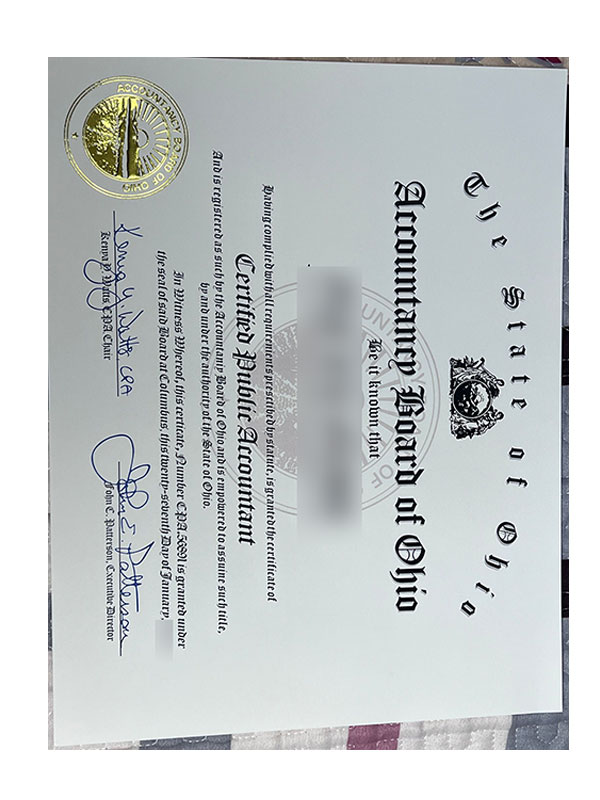
What is it: The Certified Public Accountant (CPA) Professional license is issued to accountants who have passed the uniform CPA examination, met specific educational requirements, and completed the state-mandated number of work experience hours.
What they do: Certified Public Accountants are trusted advisors who handle complex accounting, tax planning, auditing and financial consulting for individuals, businesses and organizations.
License: The title of Certified Public Accountant (CPA) is regulated and issued by state accounting boards in accordance with the law, rather than by the American Institute of Certified Public Accountants (AICPA).
2. American Institute of Certified Public Accountants (AICPA
What is it: The world’s largest accounting industry membership association, with over 400,000 members.
The role in the industry: The American Institute of Certified Public Accountants (AICPA) is responsible for formulating and evaluating the unified Certified Public Accountant examination, but does not grant actual certified public accountant licenses.
Establish standards: The organization formulates ethical, professional and auditing standards that certified public accountants should follow, especially those for private companies.
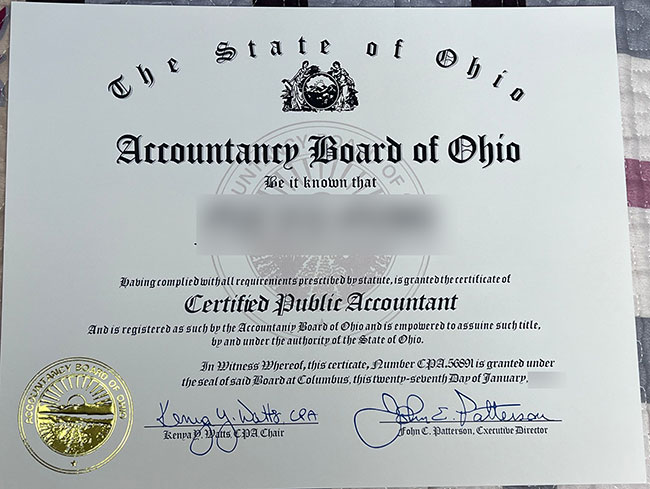
- The Person: A Certified Public Accountant (CPA) is an accounting professional who has passed the Uniform CPA Examination, met state licensing requirements, and holds a license to practice.
- The Regulator: They are licensed and regulated at the state level by their specific State Board of Accountancy
- The Organization: The American Institute of Certified Public Accountants (AICPA) is the premier national association for CPAs, representing hundreds of thousands of members globally.
- The Standard-Setter: They establish the ethical, professional, and auditing standards that all U.S. CPAs are expected to follow, though they do not actually issue individual CPA licenses.
- Develops and Grades the CPA Exam: The AICPA creates, updates, and grades the Uniform CPA Examination, which is the primary requirement for CPA licensure in the United States.
-
- Sets Auditing and Ethical Standards: It creates the auditing standards for private companies, nonprofits, and government entities (through the Auditing Standards Board). It also establishes the
Code of Professional Conduct that outlines the ethical principles CPAs must follow.
-
- Sets Auditing and Ethical Standards: It creates the auditing standards for private companies, nonprofits, and government entities (through the Auditing Standards Board). It also establishes the
- Provides Education and Credentials: It offers continuing professional education (CPE) and specialized credentials for CPAs in fields like forensic accounting, business valuation, and personal financial planning.
- Global Initiatives: Through a joint venture with CIMA (the Chartered Institute of Management Accountants), the AICPA helps administer the CGMA (Chartered Global Management Accountant) designation.
Who runs the AICPA?Mark Koziel, CPAMark Koziel, CPA, CGMA, is the President and CEO of the American Institute of CPAs, and CEO of the Association of International Certified Professional Accountants, the most influential body of professional accountants in the world with 600,000 members, candidates, and registrants.
-
Reviews
There are no reviews yet.